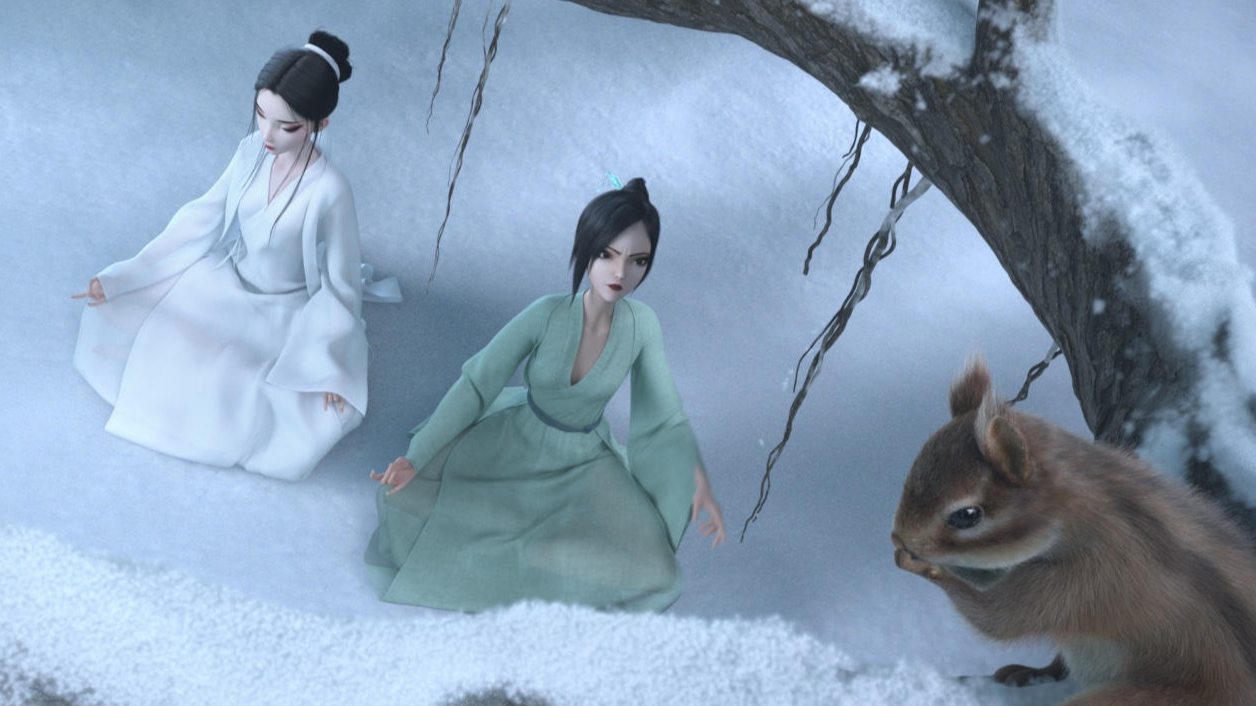
Green Snake (Film)
Introduction
Green Snake (2021), also known as White Snake 2: The Tribulation of Green Snake, is an animated sequel to the 2019 film "White Snake." This fantasy epic builds upon the lore established in the first film, expanding the narrative into a visually captivating and emotionally engaging journey. Directed by Amp Wong, Green Snake continues the exploration of Chinese folklore through an animated lens, offering both a nostalgic nod to traditional tales and a modern twist that resonates with contemporary audiences.
Background and Inspiration
The film is a continuation of the story inspired by the classic Chinese legend of the White Snake, a tale that has been retold and adapted over centuries. The story of the White Snake and her sister, the Green Snake, has been a staple in Chinese culture, forming an integral part of the country's mythological and cultural heritage. The legend, which dates back to the Tang Dynasty, became notably popular through Feng Menglong's Ming Dynasty novella collection, Jingshi Tongyan.
Plot Synopsis
Green Snake focuses on the trials of the titular Green Snake, who is depicted as a brave and independent character. The narrative begins with an epic confrontation involving the summoning of a flood to battle a formidable Buddhist monk. As the story unfolds, the Green Snake is thrust into a bizarre and perilous world, Asuraville City, after her sister, the White Snake, is captured. This city, filled with both humans and magical beings, is dominated by an ox demon and his army of monsters. The Green Snake's journey involves overcoming numerous dangers as she strives to reunite with her sister and escape this treacherous realm.
Production and Direction
Amp Wong, who co-directed the original White Snake film, leads the sequel's production. The film benefits from a significant increase in budget, allowing a wider array of characters and more complex animation sequences. Approximately 250 animators worked over three years to produce more than 2,300 shots, resulting in a film that is over 30 minutes longer than its predecessor. Light Chaser Animation, the Beijing-based studio responsible for the film, utilized an extensive library of ancient culture and history books to inspire the animators, ensuring that the film remains rooted in rich cultural contexts.
Reception and Impact
Green Snake has garnered widespread acclaim, with audiences praising its animation quality and storytelling. The film's protagonist, the Green Snake, has been particularly noted for her representation as a strong and independent female character, resonating with modern viewers. The film's success is partly measured by its high scores on review platforms like Douban and its impressive box-office performance. It continues the trend of Chinese animated films drawing from traditional culture, contributing to a growing confidence in domestic storytelling within the Chinese animation industry.
Cultural and Historical Context
The legend of the White Snake, which forms the backbone of the film's narrative, has been a subject of various adaptations over the years, including operas, novels, and television series. The story explores themes of love, societal norms, and the clash between human and supernatural realms, often reflecting the cultural and historical attitudes of the time. In "Green Snake," these themes are reimagined to align with contemporary sensibilities, offering new interpretations while maintaining the essence of the original legend.
Technical Achievements
The film showcases Light Chaser Animation's prowess in CGI and animation technology. By investing in advanced animation techniques, the studio has created a visually stunning world that enhances the narrative's fantastical elements. The characters, inspired by Chinese mythology and folklore, are brought to life with intricate designs and dynamic animations, setting new standards for animated films within the region.








